
Content Aggregators: How Publishers Can Grow Reach Without Losing Control
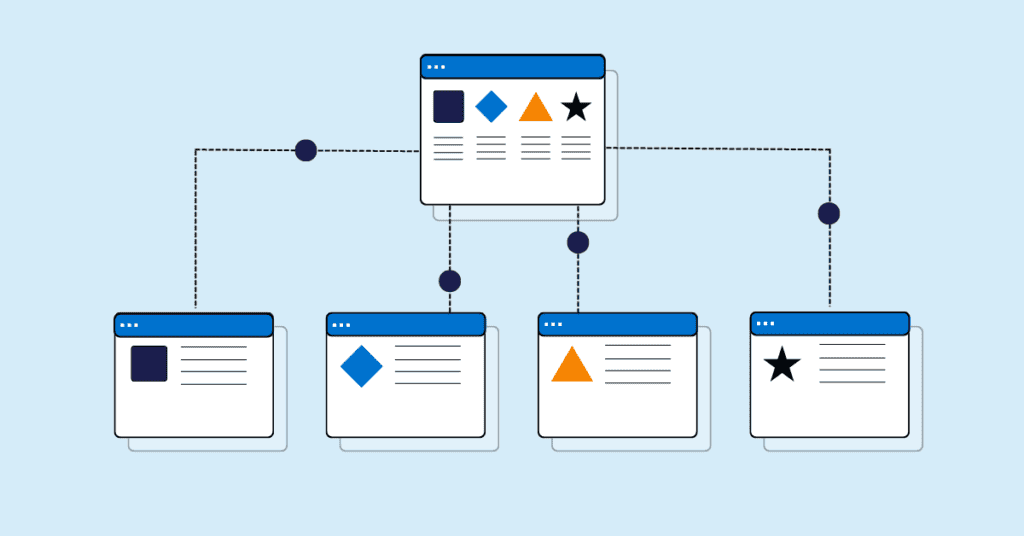
Content aggregators can expand a publisher’s reach, but they should support—not replace—the publisher’s own website, audience relationships, and revenue strategy. In 2026, readers discover journalism and specialist content through social networks, video platforms, search, newsletters, news apps, and AI-powered tools. The smart approach is to syndicate selectively, measure what comes back, and keep ownership of your original work and direct audience channels.
A content aggregator collects links, headlines, summaries, or full articles from multiple sources and presents them in one place. Examples include news aggregators, topic-curation apps, RSS readers, and social platforms that recommend material from many publishers. Aggregation can create discovery opportunities, but its value depends on attribution, referral traffic, data access, rights, and the commercial terms.
Why content aggregation still matters
Distribution is fragmented, so publishers should not assume that readers will arrive directly at a homepage. The Reuters Institute’s 2026 Digital News Report says 54% of its global sample use social media and video networks for news; the figure reaches 56% when AI chatbots are included. The report also says news websites are used by 51% of the sample. These are global survey figures, not universal measures for every country or niche.
In the United States, the Pew Research Center’s 2025 fact sheet found that 38% of adults regularly get news on Facebook and 35% on YouTube; 20% regularly get news on Instagram and 20% on TikTok. That makes platform distribution worth testing—but audience size alone does not prove a channel will drive valuable visits, subscriptions, or sales.
Trust is another concern. In its 2025 Digital News Report, the Reuters Institute reported that 58% of respondents were concerned about distinguishing true from false information online. Publishers should therefore choose partners that preserve context, identify original sources, correct errors, and make authorship clear.
The main types of content aggregators
- News and topic aggregators: collect stories from many outlets and organize them by subject, location, or interest.
- Social and video platforms: recommend publisher content alongside creator posts and user discussions.
- RSS readers and newsletters: help people follow selected sources or receive curated links in one place.
- Industry and niche curators: surface specialist content for a defined professional or hobbyist audience.
- Content syndication partners: republish licensed content under agreed terms. Syndication is different from scraping or copying without permission.
These models are not interchangeable. A link aggregator may send readers to your original page, while a full-text syndication partner may keep readers on its own property. Evaluate each arrangement on its actual mechanics and terms.
Benefits—and the risks—to weigh
Potential benefits
- Discovery: reach readers who do not yet know your brand.
- Efficient distribution: share relevant work without building every audience channel from scratch.
- Audience testing: learn which topics and formats attract attention from a new segment.
- Licensed revenue: earn fees or a share of revenue when a partner offers a clear commercial agreement.
Potential risks
- Traffic leakage: readers may consume the story without visiting your website.
- Weak attribution: your name, link, or author credit may be missing or hard to find.
- Platform dependency: a policy or algorithm change can sharply reduce distribution.
- Limited data: you may not receive meaningful information about readership or conversions.
- Rights and context problems: copying, truncation, or misleading headlines can damage trust and create legal exposure.
Do not assume that a backlink makes a deal worthwhile, or that every aggregator is harmful. Compare the measurable benefit against the cost, rights granted, and audience relationship you give up.
How to evaluate an aggregator before partnering
- Define the goal. Decide whether you need qualified referral traffic, new subscribers, brand awareness, licensed revenue, or reach in a particular market. Pick one primary outcome before comparing partners.
- Check audience fit. Ask for audience geography, topic interests, device mix, and evidence of genuine engagement. A large audience that is unlikely to care about your work is not automatically useful.
- Inspect attribution. Confirm that the original publisher and author are credited, canonical or source links are present where appropriate, and headlines are not misleadingly rewritten.
- Clarify content rights. Put permitted formats, territories, duration, edits, exclusivity, AI training or reuse, takedown procedures, and termination rights in writing. Obtain legal advice when the license is material or complex.
- Agree on the business model. Specify any fee, revenue share, reporting frequency, payment terms, and audit rights. If the arrangement is unpaid, document the strategic reason and a review date.
- Ask what data you receive. At minimum, seek reporting on impressions, clicks, engagement, referral sessions, and conversions where measurable. Be cautious if a partner promises reach but will not explain how it is counted.
- Run a limited pilot. Start with a small group of suitable articles or a fixed trial period. Keep a baseline and compare the result with other channels.
- Review brand safety. Check how the platform handles corrections, misinformation, copyright complaints, moderation, and adjacency to unsuitable material.
Measure outcomes, not just views
Set up tracking before content is distributed. Use campaign parameters consistently on links you control, confirm analytics are recording landing pages correctly, and label the partner as a distinct referral source. Track:
- Qualified referral sessions: visitors who arrive and engage with relevant content.
- Engagement: engaged sessions, return visits, pages per session, or another metric suited to your analytics setup.
- Audience growth: newsletter sign-ups, registered users, or subscriptions attributable to the channel.
- Commercial impact: leads, paid subscriptions, purchases, or revenue—not impressions alone.
- Efficiency: the time and money required to maintain the partnership compared with the value it creates.
Compare performance with your own baseline and similar content. Avoid treating an industry-wide benchmark as a promise of what your site will achieve. For more practical measurement advice, see our guide to content analytics tools for improving a blog and our guide to performing an SEO analysis.
Build direct audience relationships alongside distribution
Aggregation works best as one part of a diversified publishing strategy. Make your website a useful destination, build an email list with clear consent, maintain an organized archive, and give readers a reason to return. Publish original analysis, useful explainers, and other work that is more valuable than a headline or short summary alone.
Use social platforms to introduce the work, but direct interested readers to relevant original pages when that is the appropriate user experience. Improve your internal links so readers can move from one useful article to another. Our guide to starting an online business also explains why building a durable business model matters more than chasing a single source of attention.
A practical 30-day pilot plan
- Week 1: Choose one business goal, record baseline performance, and shortlist two or three relevant aggregators.
- Week 2: Review audience fit, attribution, rights, reporting, fees, and removal terms. Reject partners that cannot answer basic questions.
- Week 3: Test a small set of suitable articles, with consistent tracked links and documented publishing dates.
- Week 4: Compare referral quality, sign-ups, revenue, and operating effort against the baseline. Continue, renegotiate, or stop based on evidence.
One month may be too short to measure long-term subscriber value, especially for low-traffic sites. Treat the first test as an early signal, then extend it only when the data and terms justify the effort.
Conclusion
Content aggregators are distribution partners, not a substitute for your publishing strategy. The best relationship delivers relevant discovery, accurate attribution, transparent reporting, fair rights, and a measurable benefit. Start small, keep your original content and audience channels strong, and renew partnerships only when results support the decision.
Frequently asked questions
1. What is a content aggregator?
A content aggregator gathers links, headlines, summaries, or licensed material from multiple sources and organizes them in one place so people can discover content by topic or interest.
2. Are content aggregators good for SEO?
They can help people discover your work and may send referral traffic, but an aggregator listing does not guarantee better rankings. Focus on legitimate attribution, useful referral visits, and your own site’s technical and editorial quality. Avoid schemes that promise rankings in exchange for copied content or manipulative links.
3. Is content aggregation the same as content syndication?
No. Aggregation commonly collects or links to material from different sources. Syndication is the authorized distribution or republication of content under agreed terms. Some services combine both models, so read the specific license.
4. Should I allow an aggregator to republish full articles?
Only after weighing the value against the rights and audience access you grant. Specify attribution, canonical handling where relevant, permitted edits, duration, payment, and takedown terms in writing.
5. How can a small publisher benefit from aggregators?
Choose a niche partner whose readers closely match your target audience, test a small number of articles, use trackable links, and measure engaged visits and sign-ups rather than relying on a claimed reach figure.
6. What metrics should I track?
Track referral sessions, engagement, returning visitors, newsletter or account sign-ups, leads, subscriptions, sales, and the cost of managing the partnership. Use impressions as a distribution indicator, not the only success measure.
7. Can an aggregator use my content to train AI systems?
Do not assume that ordinary republication permission covers AI training or other downstream uses. Ask directly, define the permitted uses in the contract, and obtain legal advice if the rights are important to your business.
8. What should I do if an aggregator copies my work without permission?
Save evidence, review the platform’s copyright and complaint process, and contact the operator with a clear request. If the issue is serious or unresolved, consult a qualified legal professional about available options in the relevant jurisdiction.
9. How many aggregators should I use?
There is no universal ideal number. Start with one or two well-matched partners so you can measure outcomes and manage rights carefully. Add more only when each channel contributes incremental value.
10. When should I end an aggregator partnership?
Reconsider it when attribution is poor, reporting is unreliable, rights are too broad, brand safety is weak, or measurable value does not justify the cost and effort. Set review criteria before the pilot begins.
Sources and further reading
- Reuters Institute — Digital News Report 2026: Executive Summary
- Reuters Institute — Digital News Report 2025: Executive Summary
- Pew Research Center — Social Media and News Fact Sheet (2025)
- Vincent Goh — Content Analytics Tools to Improve Your Blog
- Vincent Goh — How to Perform SEO Analysis of Your Website