
How to Generate Leads on Instagram: 9 Practical Strategies
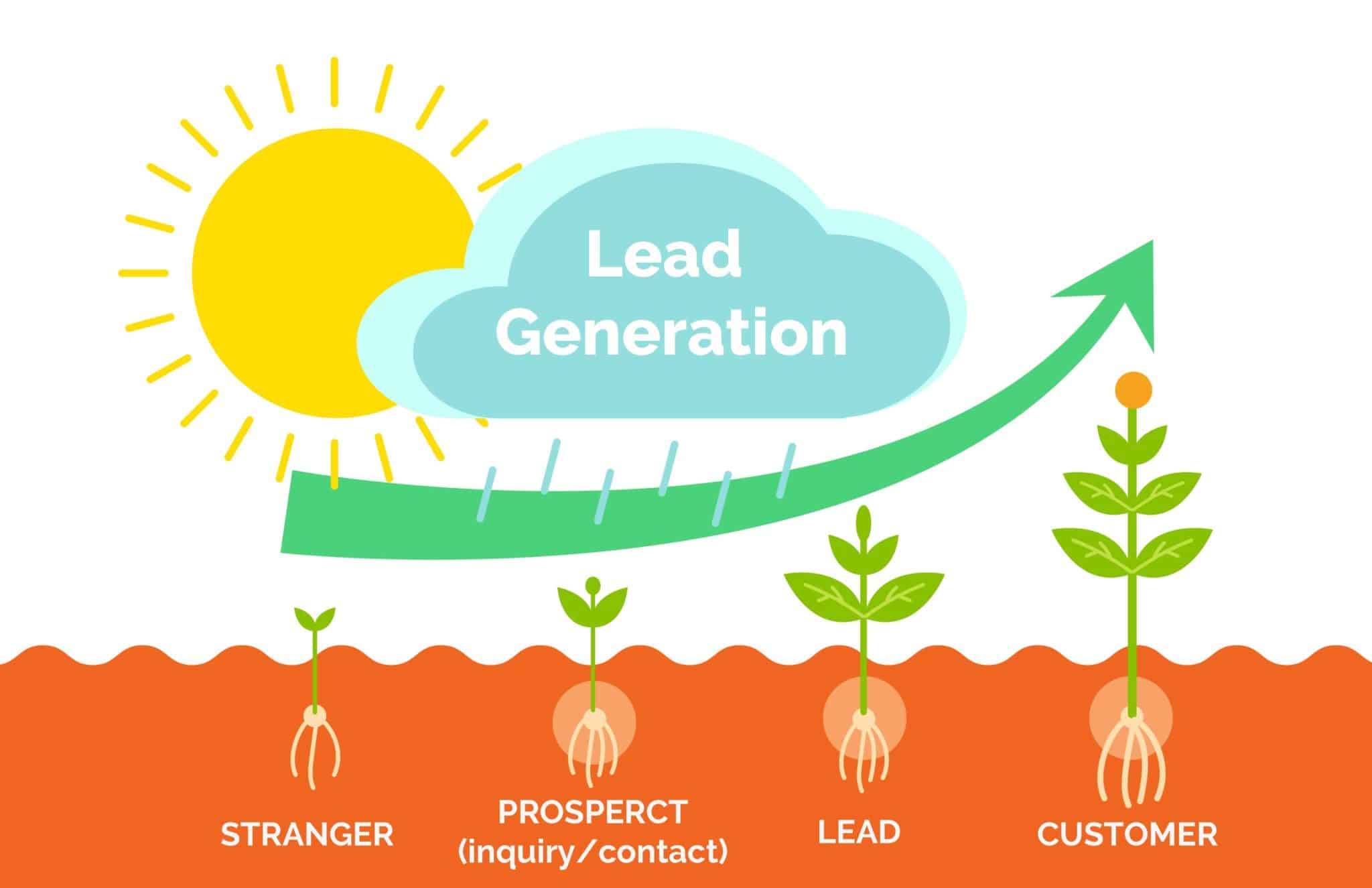
Instagram can generate qualified leads when you give the right audience a useful reason to engage, make the next step easy, and follow up promptly. A strong lead-generation strategy is not simply about collecting likes or growing followers: it connects relevant content, conversations, landing pages and permission-based follow-up to a measurable business outcome.
Instagram has evolved considerably since this article was first published in 2018. Brands can now combine Reels, Stories, carousels, direct messages, creator collaborations and lead forms. The fundamentals remain the same: understand the customer, build trust before asking for contact details, and measure the quality of the leads rather than the volume alone.
What the 2026 data says about Instagram marketing
Recent research offers useful direction for businesses planning their Instagram lead-generation strategy:
- 40% of Instagram marketers surveyed by HubSpot say audience interaction—such as replying to comments and using interactive Stories—delivers the strongest ROI. That supports treating engagement as an ongoing conversation, not a one-way publishing schedule. Source: HubSpot’s 2026 Instagram Marketing Report, based on a survey of more than 600 marketers.
- 46% say product- and service-focused content, including demonstrations and teasers, generates the most engagement and ROI. Demonstrate the product in a real use case and make the next step clear. Source: HubSpot, 2026 Instagram Marketing Report.
- 36% say overly sales-driven content has caused them to lose followers. A feed dominated by promotions can weaken trust, so balance offers with educational and human content. Source: HubSpot, 2026 Instagram Marketing Report.
- 53% of surveyed marketers identify follower growth as their biggest Instagram challenge. This is a reminder not to make follower count the only measure of success; a smaller audience with strong purchase intent can be more valuable. Source: HubSpot, 2026 Instagram Marketing Report.
- 78% of surveyed marketers say they have successfully grown a brand account to 1,000 followers. HubSpot reports that regular posting, strong creative and a well-optimized profile are among the tactics associated with reaching that milestone. Source: HubSpot, 2026 Instagram Marketing Report.
These are survey findings, not guarantees of performance. Use them to inform experiments, then judge success using your own lead quality, conversion rate and customer acquisition costs.
1. Target and retarget the right audience
Paid Instagram campaigns can help you reach people who are likely to care about your offer. Start with a clear customer profile: the problem they want to solve, their likely interests, the products they consider and the questions they ask before buying.
Use Meta’s current advertising tools and available audience options to reach relevant groups. Depending on your account, region, consent setup and campaign objective, options may include custom audiences based on permitted customer or website activity, engagement audiences, and lookalike audiences. Meta changes its targeting and measurement features over time, so check the current Meta Ads resources before building a campaign.
Retarget people who have already shown interest
With appropriate consent and tracking configuration, you may be able to create audiences of people who visited your website, engaged with your Instagram account, watched your videos or interacted with your business. Show these people a relevant next step rather than repeating the same generic ad.
For example:
- A person who watched a product demonstration could see a comparison guide or a longer tutorial.
- A visitor who viewed a product page could see customer FAQs, shipping information or a clear offer.
- A person who started a lead form but did not submit may be shown a reminder, if permitted by the platform and applicable privacy rules.
Do not assume every visitor can or should be retargeted. Respect consent choices, platform policies and privacy laws. Avoid sensitive personal data and make sure your privacy notice accurately explains your advertising and analytics practices.
2. Use Instagram lead forms and direct messages thoughtfully
When your campaign objective is lead generation, reduce the friction between interest and enquiry. Depending on availability for your account and market, Meta lead ads can use an instant form within the platform or direct people to a website form. Learn about the current options in Meta’s lead ads documentation.
Keep forms short. Ask only for information you genuinely need at this stage, such as name, email address and one qualifying question. Explain what the person will receive after submitting and how you will use their details. If a consultation or quote is the offer, state what happens next and when they can expect a response.
Direct messages can also be an effective first step for considered purchases. Use a clear call to action such as “Send us a message for sizing advice” or “DM us for the product comparison guide.” Respond with helpful information, ask relevant questions and obtain permission before adding someone to a marketing list.
3. Humanize your brand with real people and useful stories
People are more likely to start a conversation when a brand feels approachable and credible. Show the people behind the business, explain how products are made, share lessons from customer service and demonstrate how your team solves real problems.
Ideas include:
- Short behind-the-scenes videos showing how an order is prepared or a service is delivered.
- Founder or team introductions that explain the experience behind the business.
- Short answers to common customer questions, including limitations and who a product may not suit.
- Polls and question stickers that invite followers to describe their needs.
- Educational carousels that help people make a better buying decision.
HubSpot’s 2026 research found that 40% of marketers cite audience interaction as the Instagram strategy delivering the strongest ROI. Build time into your schedule to respond to comments and messages with useful, specific answers. A conversation can reveal buying intent more clearly than a like.
4. Tell authentic customer stories and use social proof responsibly
Customer stories can help prospective buyers understand what it is like to use your product or work with your business. Ask customers for permission to feature their words, images or videos. Keep the story accurate, preserve the meaning of their feedback and disclose incentives or other material connections.
A strong customer story explains:
- The customer’s original problem or goal.
- Why they considered your product or service.
- How they used it and what their experience was.
- What changed, with measurable outcomes only when they can be substantiated.
Do not fabricate testimonials, imply that one customer’s result is typical when it is not, or edit a review to make it more positive. For health, finance and other regulated categories, check the specific advertising and endorsement rules that apply.
5. Create content that moves people from discovery to enquiry
Different Instagram formats can serve different stages of the buying journey. A practical content mix might look like this:
Reels for discovery
Use short videos to demonstrate a product, answer a common question, show a before-and-after process where claims are supportable, or explain a problem customers recognize. Start with the useful point rather than a long introduction. Add captions so the message is accessible without sound.
Carousels for education and consideration
Break a complex topic into steps, comparisons, checklists or mistakes to avoid. End with a relevant next step: save the guide, visit a detailed resource, or send a question. Make sure the destination page provides what the post promises.
Stories for interaction
Use polls, quizzes and question stickers to learn what your audience needs. Share answers and useful follow-up resources. Stories can also highlight new products, explain an offer or direct interested viewers to a lead form.
Product demonstrations for purchase intent
Show the product in context. Explain who it is for, how it works, what makes it different and any important limitations. HubSpot found that 46% of surveyed marketers say product- and service-focused content generates the most engagement and ROI. The lesson is not to post product pitches constantly; it is to make product content genuinely informative.
6. Optimize your Instagram profile to convert profile visits
Your profile is often the bridge between discovery and action. A visitor should quickly understand what you offer, who you help and what to do next.
- Profile name and bio: Use clear language that describes your business and audience.
- Profile image: Choose a recognizable brand mark or professional image.
- Bio call to action: Tell visitors what they can do, such as book a consultation, download a guide or browse a product range.
- Link destination: Send people to a relevant landing page rather than a generic homepage whenever possible.
- Highlights: Organize essential information such as FAQs, testimonials, product details, delivery and contact options.
- Trust signals: Keep business information current and make policies and contact methods easy to find.
Do not overload the bio with multiple competing calls to action. Give the visitor one obvious next step.
7. Build a landing page that turns Instagram clicks into leads
Getting someone to click is only half the job. The landing page should continue the same message and offer that attracted the visitor from Instagram.
For a focused landing page:
- Match the headline to the promise made in the post or ad.
- Explain the benefit in plain language and show who the offer is for.
- Use a short form with only essential fields.
- Include relevant proof, such as genuine testimonials, case studies or clear product details.
- Explain what happens after submission, including response time where possible.
- Make the page fast, mobile-friendly and accessible.
- Provide a privacy notice and obtain any required consent.
For more ideas on improving the next step after a visitor arrives, read how to increase ecommerce conversion rates and five ethical psychology principles for converting website visitors.
8. Collaborate with relevant creators and complementary brands
Creator partnerships can introduce your business to people who already trust the creator’s recommendations. Look beyond follower count. Review audience relevance, content quality, comment authenticity, past partnerships and the creator’s ability to explain your product credibly.
Consider product demonstrations, tutorials, interviews, live Q&As or co-created guides. Agree on deliverables, usage rights, timing and measurement in advance. Disclose gifted products, paid relationships and affiliate arrangements clearly. A creator should be free to give an honest assessment; do not script unsupported claims.
9. Measure lead quality, not just Instagram engagement
Likes, views and follower growth can help diagnose content performance, but they are not the final business result. Track the steps from first interaction to qualified enquiry and sale.
Useful metrics include:
- Profile activity: profile visits, website taps and contact actions.
- Content engagement: saves, shares, meaningful comments, replies and video retention.
- Lead generation: form submissions, qualified enquiries and cost per lead.
- Lead quality: percentage of leads that match your target customer and progress to a sales conversation.
- Commercial outcomes: appointment bookings, conversion rate, customer acquisition cost and revenue.
Use consistent campaign naming and UTM parameters on website links so you can identify traffic from Instagram in your analytics. Connect lead records to your CRM where appropriate and follow privacy requirements. If you run paid campaigns, compare results by creative, audience and offer rather than changing everything at once.
A simple 30-day Instagram lead-generation plan
- Week 1 — Prepare: Define your ideal lead, clarify your offer, optimize your profile and create one focused landing page or lead form.
- Week 2 — Publish: Post a product demonstration, an educational carousel and a behind-the-scenes Story. Add a clear and relevant call to action.
- Week 3 — Engage: Respond to comments and DMs, use a question sticker to learn customer objections, and publish answers to recurring questions.
- Week 4 — Evaluate: Review qualified leads, form completion, website conversions and cost per lead if advertising. Repeat the strongest content angle and improve the weakest step.
Keep the plan manageable. A consistent schedule and timely follow-up are more valuable than a burst of activity that your team cannot sustain.
Frequently asked questions
1. How do I generate leads on Instagram?
Publish useful content for a clearly defined audience, use a focused call to action, and direct interested people to a relevant lead form, landing page or conversation. Follow up promptly and measure how many enquiries become qualified prospects.
2. Is Instagram good for B2B lead generation?
It can be, particularly for businesses whose buyers use Instagram to research expertise, people and products. Educational content, founder perspectives, case studies and direct conversations can help. Evaluate lead quality rather than assuming the platform suits every B2B audience.
3. What type of Instagram content generates the most leads?
There is no universal format. Product demonstrations, educational carousels, customer stories, Reels and interactive Stories can all contribute. Test content against the specific action you want, such as a qualified enquiry or consultation booking.
4. Should I use Instagram ads or organic content?
Organic content helps build trust and learn what resonates; ads can extend reach and promote a specific offer to selected audiences. Many businesses benefit from testing organic content first, then using paid promotion to scale proven messages where the economics make sense.
5. How can I retarget Instagram users?
Use the audience and retargeting options currently available in Meta Ads Manager, such as eligible website or Instagram engagement audiences. Set up tracking and consent appropriately, follow Meta’s policies and applicable privacy laws, and avoid using sensitive personal information.
6. What should I include in an Instagram lead form?
Ask only for the details needed to respond or qualify the enquiry. This may include a name, email address and one relevant question. Explain the value of submitting, how the information will be used and what happens next.
7. How often should a business post on Instagram?
Choose a schedule you can maintain while producing useful content. Consistency matters more than an arbitrary daily quota. Review reach, shares, saves, conversations and qualified leads to determine whether your cadence is working.
8. How do I measure Instagram lead-generation success?
Track profile actions, link clicks, form submissions, qualified leads, appointments, sales and customer acquisition cost. Use UTM-tagged links and analytics or CRM records to connect Instagram activity with business outcomes.
9. How can a small business build trust on Instagram?
Show real people, explain your process, answer questions honestly, publish useful demonstrations and share genuine customer experiences with permission. Avoid exaggerated claims, fake testimonials and a feed made up entirely of sales promotions.
10. How long does it take to generate leads from Instagram?
Timing depends on your audience, offer, content, existing reach and follow-up process. Paid campaigns may generate enquiries sooner, while organic audience-building takes sustained effort. Set a measurement period and judge results by lead quality and sales progression.
Sources and further reading
- HubSpot — 2026 Instagram Marketing Report (survey of 600+ marketers).
- Meta for Business — Lead ads.
- Meta for Business — Advertising resources.
- Vincent Goh — How to Increase Ecommerce Conversion Rates.
- Vincent Goh — How to Convert More Website Visitors.
- Vincent Goh — Instagram Marketing for Ecommerce.