
Marketing on Clubhouse
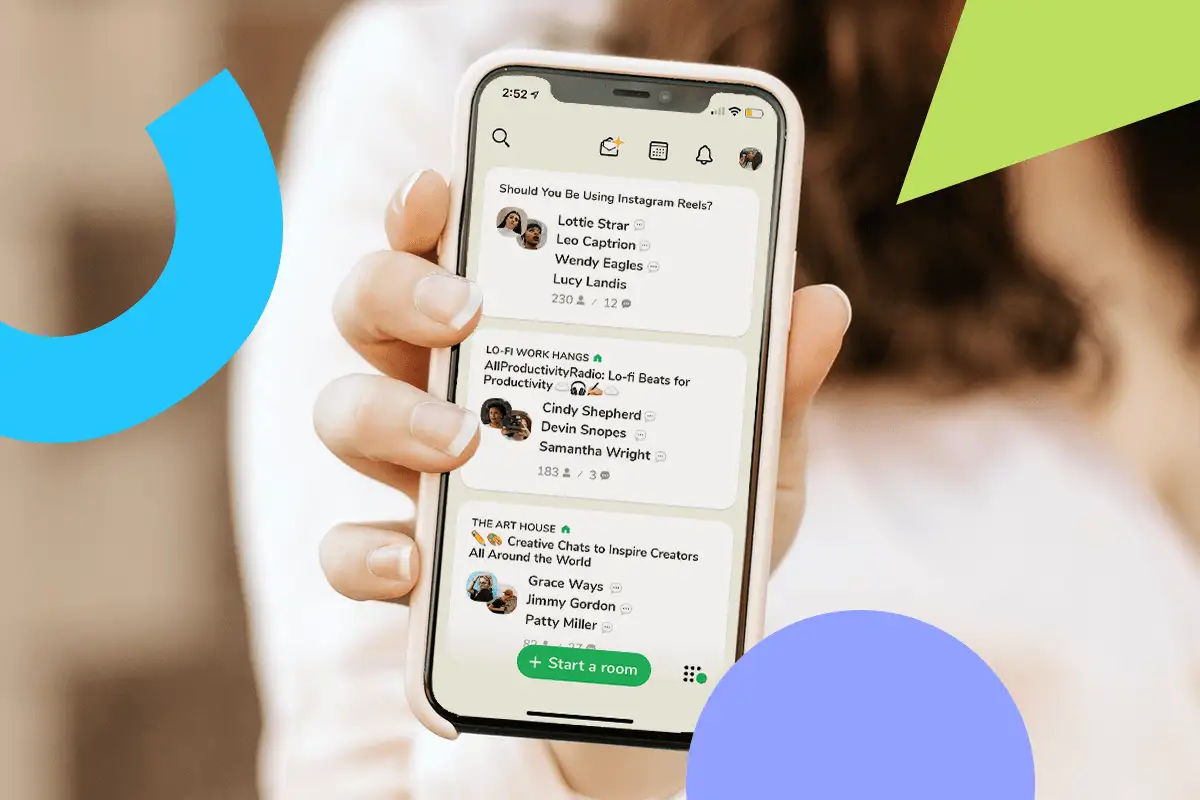
1. What Is Clubhouse — and Why It Still Matters
Launched in 2020 and valued at $4 billion at its peak, Clubhouse ignited the social audio revolution — prompting every major platform from Twitter (now X) to Spotify to launch their own voice-room features. While the initial frenzy has cooled, the platform has evolved into a focused community for professionals, creatives, and niche enthusiasts.
According to Statista, Clubhouse attracted tens of millions of registered users within its first year and continues to drive meaningful engagement for brands willing to invest in audio content.
10M+Registered Users (2023)
180+Countries Reached
700K+Rooms Created Weekly
Unlike Instagram or TikTok, Clubhouse offers real-time, unfiltered conversation — a format that builds trust faster than polished content. For B2B marketers and thought leaders especially, it remains an underutilised edge.
2. Optimise Your Profile for Discovery
Your Clubhouse profile functions as a landing page. It needs to communicate your value proposition immediately, because the first three lines appear in search results before a user taps “see more.”
Profile Optimisation Checklist
- Headline (lines 1–3): Lead with who you help and how. Use relevant keywords (e.g. “Digital Marketing Strategist | Helping SMEs grow through social media”).
- Photo: A clear, professional headshot. Faces outperform logos — even for brands.
- Social links: Connect your Twitter/X and Instagram. These are the only clickable links on the platform.
- Bio depth: Expand on your story, credentials, and the value you bring to rooms below the fold.
Pro Tip: Treat your Clubhouse bio like a micro-SEO page. According to Neil Patel’s social SEO research, keyword-rich bios significantly increase discovery rates on audio platforms.
3. Hosting & Joining Rooms Strategically
Rooms are the core unit of activity on Clubhouse. Both hosting and attending rooms offer distinct marketing value.
When Attending Rooms
- Prioritise rooms in your industry niche — consistent presence signals expertise.
- Request the mic and contribute substantively. Don’t pitch; teach.
- Follow the host and prominent speakers immediately — Clubhouse’s algorithm surfaces you to their followers.
When Hosting Rooms
- Schedule in advance and promote across LinkedIn, Twitter/X, and email. The Sprout Social best-time data suggests Tuesday–Thursday afternoons drive highest engagement for professional content.
- Structure your room with an agenda: opening hook (5 min), main discussion (30–40 min), audience Q&A (15 min).
- Record key insights and repurpose them as blog posts, newsletters, or short-form video clips.
“The brands winning on Clubhouse aren’t broadcasting — they’re convening. The room is the product.”
4. Collaborating with Influencers
Influencer marketing on Clubhouse differs from Instagram campaigns — here, the currency is credibility and conversational chemistry, not follower count.
When identifying partners, look beyond raw audience size. Influencer Marketing Hub’s benchmark report consistently shows that micro-influencers (10K–100K followers) generate 60% higher engagement rates than macro influencers.
Collaboration Formats That Work
- Co-hosted rooms: Invite a relevant expert to moderate alongside you. Their audience joins; your brand gains credibility by association.
- Panel discussions: 4–5 speakers on a single topic create richer conversation and cross-pollinate audiences.
- Takeover rooms: Let an influencer host a room on your brand’s Club, giving them creative freedom while you provide the audience.
5. Leveraging Clubs for Long-Term Community
Clubs are Clubhouse’s persistent community layer — think of them as a branded podcast channel you host live. Building a Club around your brand’s niche is one of the highest-leverage moves available to marketers on the platform.
- Choose a specific niche — not “marketing” but “E-commerce growth for Southeast Asian brands.”
- Host recurring rooms on a fixed schedule. Consistency is what converts casual listeners into loyal community members.
- Spotlight members by inviting them to speak. This deepens loyalty and generates organic word-of-mouth.
Reference: HubSpot’s community-building framework recommends focusing on “consistent value moments” — reliable, scheduled content that members can depend on — as the primary driver of community retention.
6. Content Strategy for Social Audio
Not all content types translate well to audio. Here’s what works — and what doesn’t — on Clubhouse.
High-Performing Formats
- Live Q&A sessions (“Ask me anything about SEO”)
- Hot-take debates with a structured opposing view
- Behind-the-scenes founder/team interviews
- Live case study breakdowns
- Book/report discussions relevant to your industry
Repurposing Your Clubhouse Content
The real SEO value from Clubhouse comes from what you do after the room ends. Repurpose audio sessions into:
- Blog posts (like this one) summarising key takeaways
- LinkedIn articles or Twitter threads with top insights
- Short video clips for Instagram Reels or TikTok
- Newsletter content for your subscriber base
This multi-channel distribution strategy aligns with what Content Marketing Institute calls the “content multiplier” effect — creating once and distributing everywhere.
7. Measuring Your Clubhouse Performance
Clubhouse’s native analytics are limited, so you’ll need to combine in-platform signals with off-platform tracking.
Metrics to Monitor
- Peak room size: How many listeners joined at maximum?
- Retention: Did people stay for the full session or drop off early?
- New followers post-room: A strong proxy for content quality.
- Link traffic: Monitor UTM-tagged links in your linked social bios using Google Analytics 4 to track conversions driven by Clubhouse activity.
- Mentions & shares: Track branded keywords on Twitter/X and LinkedIn after your rooms air.
8. Common Clubhouse Marketing Mistakes
- Over-promoting: Clubhouse audiences are highly allergic to sales pitches. Lead with education; let interest follow organically.
- Inconsistency: Hosting one room and disappearing kills momentum. Commit to a minimum cadence of twice monthly.
- Ignoring the stage: Muting the audience entirely makes rooms feel like a webinar, not a conversation. Bring listeners up regularly.
- No call-to-action: Always close your room with a clear next step — follow your Club, visit a link-in-bio, join a mailing list.
9. The Future of Clubhouse Marketing
Social audio isn’t going anywhere — it’s expanding. eMarketer projects continued growth in live audio formats through 2026, fuelled by podcasting’s mainstreaming and Gen Z’s preference for low-effort consumption formats.
Clubhouse itself is investing in monetisation tools (ticketed rooms, creator payments), improved discoverability, and deeper integration with podcast ecosystems. For marketers, this means the barrier to paid amplification on the platform is lowering.
The brands that start building their Clubhouse presence now — while competition remains relatively low — will own significant mindshare when the platform’s next growth wave arrives.
Final Takeaway
Clubhouse marketing rewards authenticity, consistency, and genuine expertise. Optimise your profile with target keywords, host structured rooms on a regular schedule, collaborate with credible voices in your niche, and repurpose every session across your content channels. Track your results systematically and iterate.